Burn Blisters and Healing

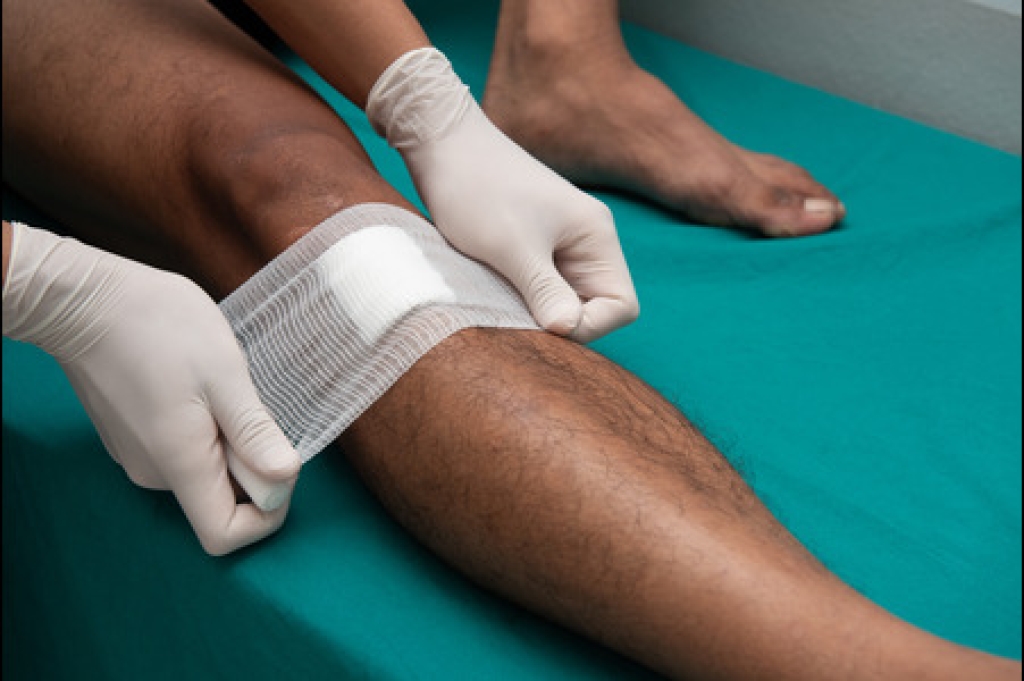
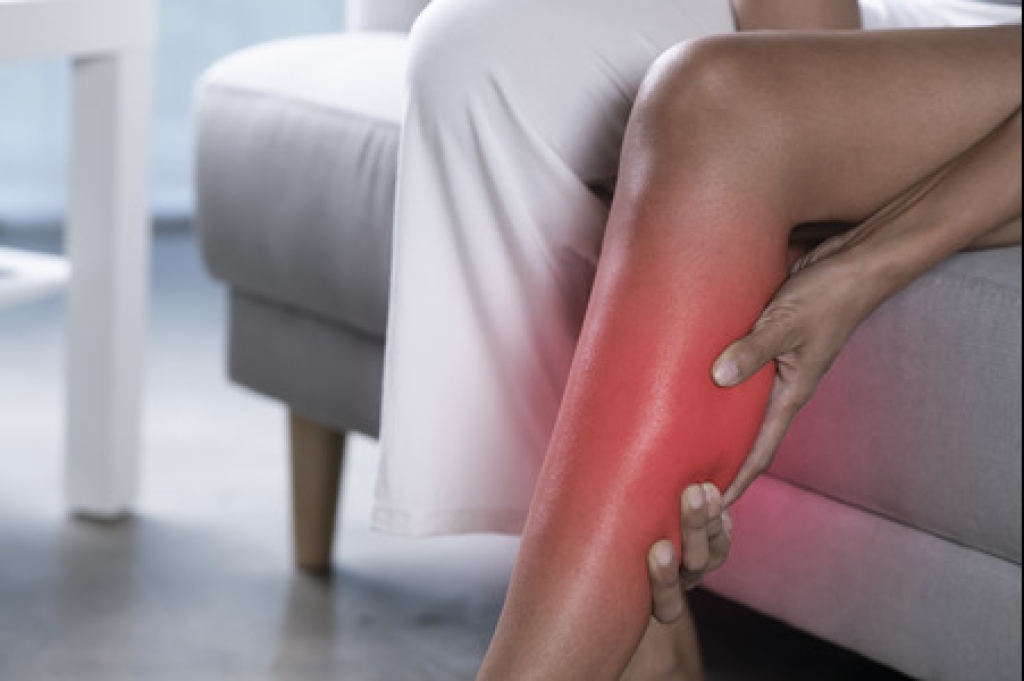
Burn blisters can develop after the skin on the feet or legs is exposed to heat, chemicals, or friction severe enough to damage the outer layers of tissue. These blisters are filled with fluid that forms as the body responds to injury and protects the damaged skin underneath. In many cases, the fluid helps create a barrier against irritation while supporting the early stages of healing. However, burn blisters on the lower extremities can become complicated because the feet and legs are exposed to pressure, movement, and reduced circulation. Large or broken blisters may increase the risk of infection, swelling, and delayed healing. Patients with diabetes or poor circulation may face greater complications from even minor burns. A wound care specialist can examine the injured area, monitor healing, manage wound care, and help prevent further tissue damage or infection. If you develop burn blisters on your feet or legs, it is suggested that you consult a wound care specialist for treatment.

Blisters On Feet and Why Proper Wound Care Matters
Blisters on the feet are common, but they should not be ignored, especially when they become painful or slow to heal. A blister forms when repeated friction, pressure, or heat causes the upper layers of skin to separate and fill with fluid. This often happens during walking, running, or wearing ill-fitting shoes. While many blisters heal on their own, they can become open wounds if they rupture, creating a pathway for infection.
From a wound care perspective, protecting the skin barrier is critical. An intact blister acts as a natural covering, helping shield the underlying tissue. Popping or peeling the skin too early can delay healing and increase the risk of bacteria entering the area. Signs of concern include redness, warmth, swelling, drainage, or increasing pain. These may indicate infection and require prompt attention.
Certain individuals face higher risks. People with diabetes, poor circulation, or weakened immune systems may develop complications from even small blisters. In these cases, what starts as minor skin irritation can progress into a more serious wound, if not properly managed.
Proper care includes keeping the area clean, dry, and protected with appropriate dressings. Reducing pressure and friction is equally important. This may involve changing footwear, using padding, or modifying activity levels while healing occurs.
Blisters may seem simple, but they can quickly become complex wounds without proper care. If a blister is not healing, make an appointment with us today for expert care.
If you have any questions please feel free to contact our office located in Contact Us . We can provide a diagnosis and treatment.
Read more about Blisters

Specialized Care for Pressure and Circulatory Ulcers

Pressure sores and arterial ulcers need careful, specialized treatment to prevent infection and promote healing. Our wound care expert uses advanced therapies to improve circulation, relieve pressure, and support tissue repair. Early, consistent care helps wounds close properly and reduces the risk of complications.

Specialized Care for Chronic Lower Extremity Ulcers in Older Adults

Chronic lower extremity ulcers in older adults require thoughtful evaluation because several underlying conditions can interfere with healing. Chronic venous ulcers often develop when poor vein function leads to swelling, skin changes, and tissue breakdown. Arterial ulcers are linked to reduced blood flow, which can leave tissue starved of oxygen and slow recovery. Diabetic ulcers may form after minor trauma, pressure, or friction, especially when nerve damage reduces normal sensation in the feet or legs. A wound care specialist carefully assesses the ulcer’s size, depth, drainage, surrounding skin, tissue condition, and signs of infection while also evaluating circulation and other health concerns that may affect healing. Treatment depends on the type of ulcer and may include advanced dressings, removal of unhealthy tissue, pressure relief, compression when appropriate, infection management, and coordination of care for underlying medical issues. Chronic ulcers should not be ignored, particularly in older adults, as delayed treatment can increase the risk of worsening tissue damage and other serious complications. If you have any kind of foot or lower leg ulcer, it is suggested that you see a wound care specialist.

Pressure Sores, Pressure Ulcers, and Arterial Ulcers Can Lead to Skin Breakdown

Not all wounds on the feet, ankles, and legs are the same. Pressure sores, pressure ulcers, and arterial ulcers may look similar at first, but develop for different reasons and require specialized care. Understanding these differences is key to proper treatment.

Pressure sores are often caused by friction at common rubbing points. Toes rubbing against each other can create small raw areas, while wearing ill-fitting shoes may lead to sores on the heel, ankle, or sides of the foot. These injuries usually begin at the surface but can quickly deepen if ignored.

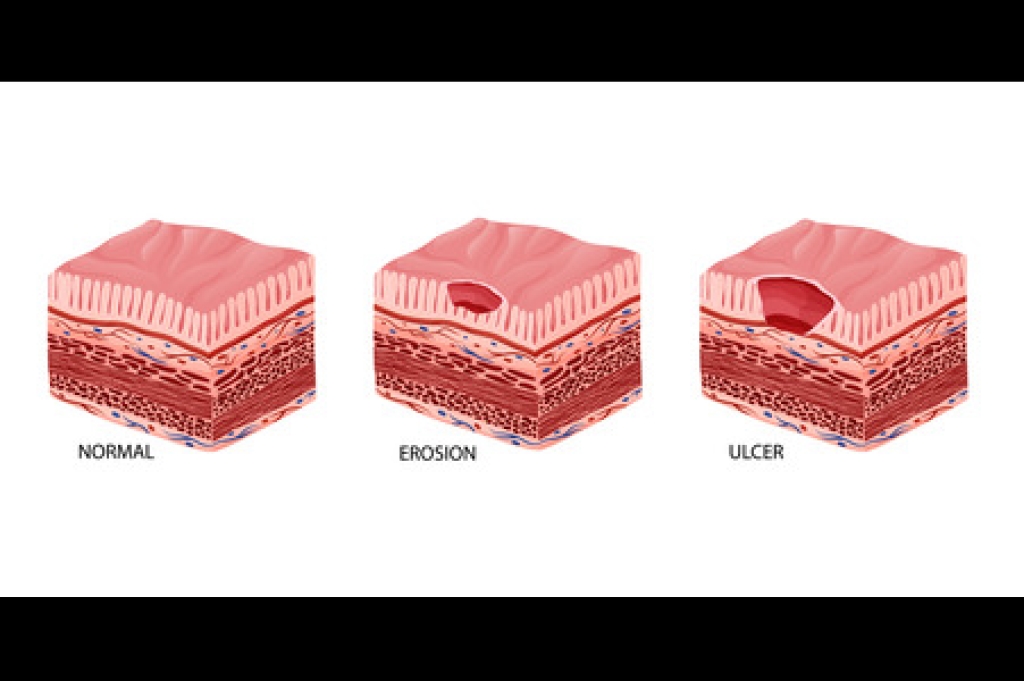
Pressure ulcers, sometimes called bedsores, occur when the skin and tissue are compressed between bone and an external surface for long periods of time. On the lower extremities, they frequently appear on the heels, ankles, calves, or shins. Limited mobility, tight footwear, or prolonged bed rest can all contribute to these ulcers, which may progress through multiple stages from redness to open, infected wounds.

Arterial ulcers are different in that they result from poor circulation. When blood flow to the feet and legs is reduced, oxygen and nutrients cannot reach the tissue. Even small sores on the toes, heels, or shins may become painful, deep ulcers that heal very slowly. Unlike friction-related sores, arterial ulcers are directly tied to vascular health and often signal an underlying circulation problem.

All three types of wounds demand professional attention. A wound care specialist can determine the cause, relieve pressure, improve circulation when possible, and use advanced techniques to promote healing.

If you notice a sore on your foot, ankle, or leg that is slow to close or worsening, call us for timely care to help prevent serious complications and preserve long-term mobility.

Read more about Pressure Sores, Pressure Ulcers, and Arterial Ulcers

Treatments That Help Chronic Wounds Heal

Chronic wounds are sores or open areas on the skin that heal very slowly or continue returning over time. These wounds often develop because of poor circulation, diabetes, nerve damage, or prolonged pressure on the feet and ankles. Patients may notice redness, swelling, drainage, skin discoloration, or persistent pain around the wound. Without proper treatment, chronic wounds can become infected and lead to serious complications that affect mobility and overall health. A wound care specialist can determine the underlying cause of the wound and create a treatment plan designed to improve healing. Treatment options may include removing damaged tissue, reducing pressure on the affected area, applying specialized dressings, prescribing medications, or recommending advanced therapies that improve circulation and tissue repair. Care is often focused on preventing infection while helping healthy skin return. If you have a lower extremity wound that is slow to heal, it is suggested that you consult a wound care specialist for treatment.

Chronic Wounds and Complications That Slow Recovery
Most wounds follow a predictable healing pattern, but some linger far longer than expected. Chronic wounds are those that fail to progress through normal healing, often remaining open, painful, and vulnerable to infection. On the feet, ankles, and legs, these stubborn wounds can significantly limit mobility and quality of life.
Post-surgical wounds are a common source of concern. While surgery is intended to improve health, the incision site does not always close as planned. Compromised circulation, infection, or pressure can delay healing and leave patients dealing with ongoing discomfort. Professional monitoring and care are essential to ensure the wound is cleaned, dressed, and supported until closure is achieved.
Chronic pain conditions may also complicate recovery. Neuromas, for example, are thickened nerve tissues that can cause persistent pain in the foot. Although not open wounds themselves, they often interfere with normal gait and create pressure points that make the skin more prone to breakdown. Left unaddressed, this discomfort can contribute to recurring sores or prevent existing wounds from closing.
Chronic wounds require specialized attention because traditional home remedies are rarely enough. Advanced wound care techniques may involve debridement, specialized dressings, pressure offloading, or therapies designed to improve blood flow and tissue repair.
If you have a wound on your foot, ankle, or leg that is not healing or continues to reopen, call us today for expert care from our wound specialist.
 

Read more about Chronic Wounds

Healing Pressure Ulcers Below the Knee

Pressure ulcers on the lower extremities often develop on the heels, ankles, or other areas where prolonged pressure reduces blood flow to the skin and deeper tissue. These wounds are more common in people with limited mobility, diabetes, poor circulation, or reduced feeling in the legs and feet. Because lower extremity wounds can be complicated by swelling, arterial disease, or infection, proper evaluation is important. A wound care specialist examines the ulcer’s depth, tissue condition, drainage, and surrounding skin while also assessing circulation and factors that may delay healing. Treatment may include removal of damaged tissue, advanced dressings, infection management, and pressure relief through offloading devices. Care plans designed to protect vulnerable areas from further breakdown may also be provided. Medical conditions affecting healing are addressed as part of treatment. Pressure ulcers on the legs or feet can worsen without expert care. If you have a lower extremity pressure ulcer, it is suggested that you see a wound care specialist who can help guide treatment and recovery.

Types of Wounds Caused by Pressure and Poor Circulation
Some wounds develop not from injury, but from ongoing stress to the skin or reduced blood flow. Pressure sores, often referred to as pressure ulcers, occur when an area of the body is exposed to continuous pressure. This pressure limits circulation and can damage the skin and deeper tissue. These wounds commonly form on the heels, hips, or other areas where bone is close to the surface.
Arterial ulcers develop when blood flow through the arteries is restricted. Without enough oxygen and nutrients, the skin cannot maintain its health or repair itself effectively. These wounds are often found on the feet or toes, and may appear as small but deep areas of tissue loss. They can be painful and slow to heal due to limited circulation.
Care begins with understanding the underlying cause. For pressure-related wounds, reducing contact and relieving stress on the area is essential. This may involve repositioning, cushioning, or using supportive surfaces. For arterial ulcers, improving circulation is a priority and may require further medical evaluation.
Wound management also includes keeping the area clean, protecting it with appropriate dressings, and monitoring changes in the surrounding skin. Warning signs such as increased redness, drainage, odor, or worsening pain should be addressed promptly.
These wounds can progress without proper care and may become more difficult to treat, over time. If you have a sore that is not healing or appears to be getting worse, call us for an appointment today so a provider can evaluate the area and recommend appropriate treatment.
If you have any questions please feel free to contact our office located in Contact Us . We can provide a diagnosis and care.

Read more about When Skin Breakdown Signals a Circulation or Pressure Problem

Connect With Us

scroll to top