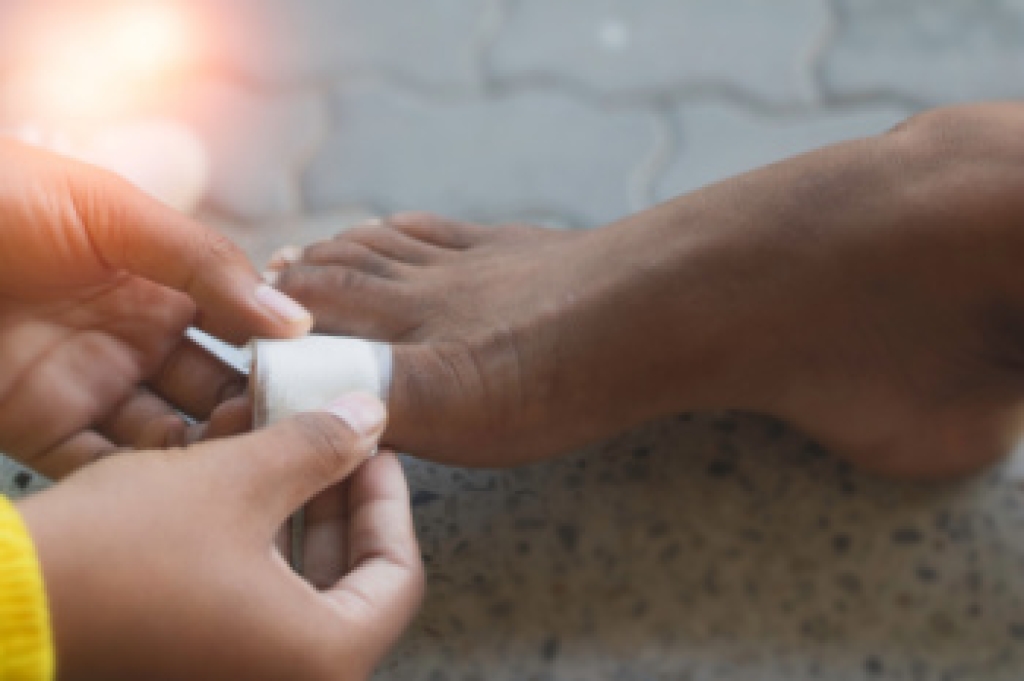
Burn blisters can develop after the skin on the feet or legs is exposed to heat, chemicals, or friction severe enough to damage the outer layers of tissue. These blisters are filled with fluid that forms as the body responds to injury and protects the damaged skin underneath. In many cases, the fluid helps create a barrier against irritation while supporting the early stages of healing. However, burn blisters on the lower extremities can become complicated because the feet and legs are exposed to pressure, movement, and reduced circulation. Large or broken blisters may increase the risk of infection, swelling, and delayed healing. Patients with diabetes or poor circulation may face greater complications from even minor burns. A wound care specialist can examine the injured area, monitor healing, manage wound care, and help prevent further tissue damage or infection. If you develop burn blisters on your feet or legs, it is suggested that you consult a wound care specialist for treatment.
Blisters On Feet and Why Proper Wound Care Matters
Blisters on the feet are common, but they should not be ignored, especially when they become painful or slow to heal. A blister forms when repeated friction, pressure, or heat causes the upper layers of skin to separate and fill with fluid. This often happens during walking, running, or wearing ill-fitting shoes. While many blisters heal on their own, they can become open wounds if they rupture, creating a pathway for infection.
From a wound care perspective, protecting the skin barrier is critical. An intact blister acts as a natural covering, helping shield the underlying tissue. Popping or peeling the skin too early can delay healing and increase the risk of bacteria entering the area. Signs of concern include redness, warmth, swelling, drainage, or increasing pain. These may indicate infection and require prompt attention.
Certain individuals face higher risks. People with diabetes, poor circulation, or weakened immune systems may develop complications from even small blisters. In these cases, what starts as minor skin irritation can progress into a more serious wound, if not properly managed.
Proper care includes keeping the area clean, dry, and protected with appropriate dressings. Reducing pressure and friction is equally important. This may involve changing footwear, using padding, or modifying activity levels while healing occurs.
Blisters may seem simple, but they can quickly become complex wounds without proper care. If a blister is not healing, make an appointment with us today for expert care.
If you have any questions please feel free to contact our office located in Contact Us . We can provide a diagnosis and treatment.


