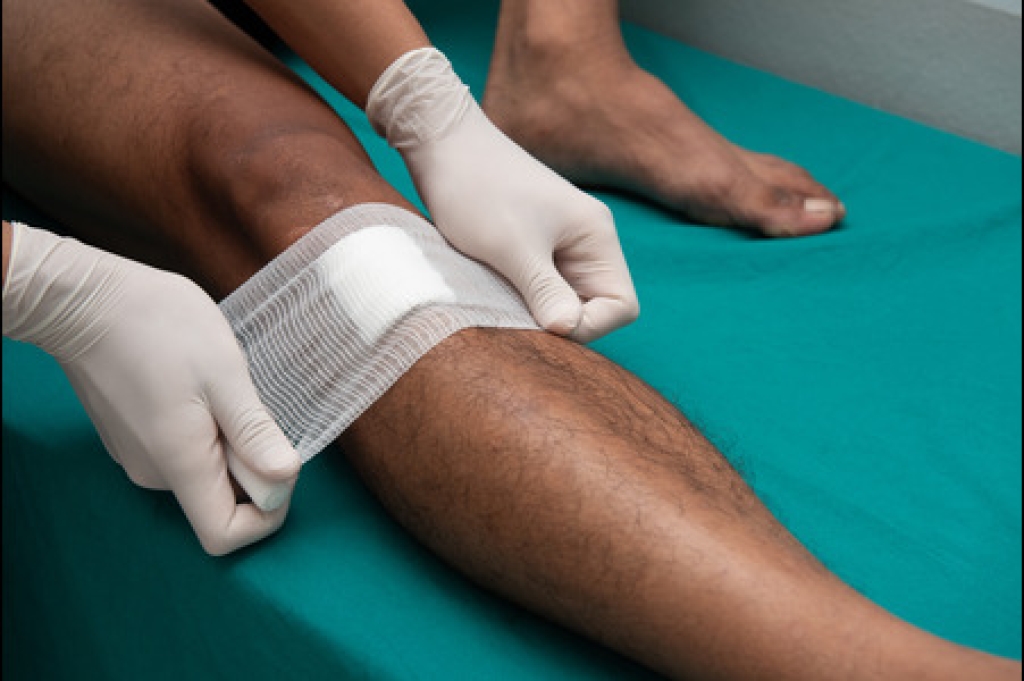
Chronic wounds are sores or open areas on the skin that heal very slowly or continue returning over time. These wounds often develop because of poor circulation, diabetes, nerve damage, or prolonged pressure on the feet and ankles. Patients may notice redness, swelling, drainage, skin discoloration, or persistent pain around the wound. Without proper treatment, chronic wounds can become infected and lead to serious complications that affect mobility and overall health. A wound care specialist can determine the underlying cause of the wound and create a treatment plan designed to improve healing. Treatment options may include removing damaged tissue, reducing pressure on the affected area, applying specialized dressings, prescribing medications, or recommending advanced therapies that improve circulation and tissue repair. Care is often focused on preventing infection while helping healthy skin return. If you have a lower extremity wound that is slow to heal, it is suggested that you consult a wound care specialist for treatment.
Chronic Wounds and Complications That Slow Recovery
Most wounds follow a predictable healing pattern, but some linger far longer than expected. Chronic wounds are those that fail to progress through normal healing, often remaining open, painful, and vulnerable to infection. On the feet, ankles, and legs, these stubborn wounds can significantly limit mobility and quality of life.
Post-surgical wounds are a common source of concern. While surgery is intended to improve health, the incision site does not always close as planned. Compromised circulation, infection, or pressure can delay healing and leave patients dealing with ongoing discomfort. Professional monitoring and care are essential to ensure the wound is cleaned, dressed, and supported until closure is achieved.
Chronic pain conditions may also complicate recovery. Neuromas, for example, are thickened nerve tissues that can cause persistent pain in the foot. Although not open wounds themselves, they often interfere with normal gait and create pressure points that make the skin more prone to breakdown. Left unaddressed, this discomfort can contribute to recurring sores or prevent existing wounds from closing.
Chronic wounds require specialized attention because traditional home remedies are rarely enough. Advanced wound care techniques may involve debridement, specialized dressings, pressure offloading, or therapies designed to improve blood flow and tissue repair.
If you have a wound on your foot, ankle, or leg that is not healing or continues to reopen, call us today for expert care from our wound specialist.


