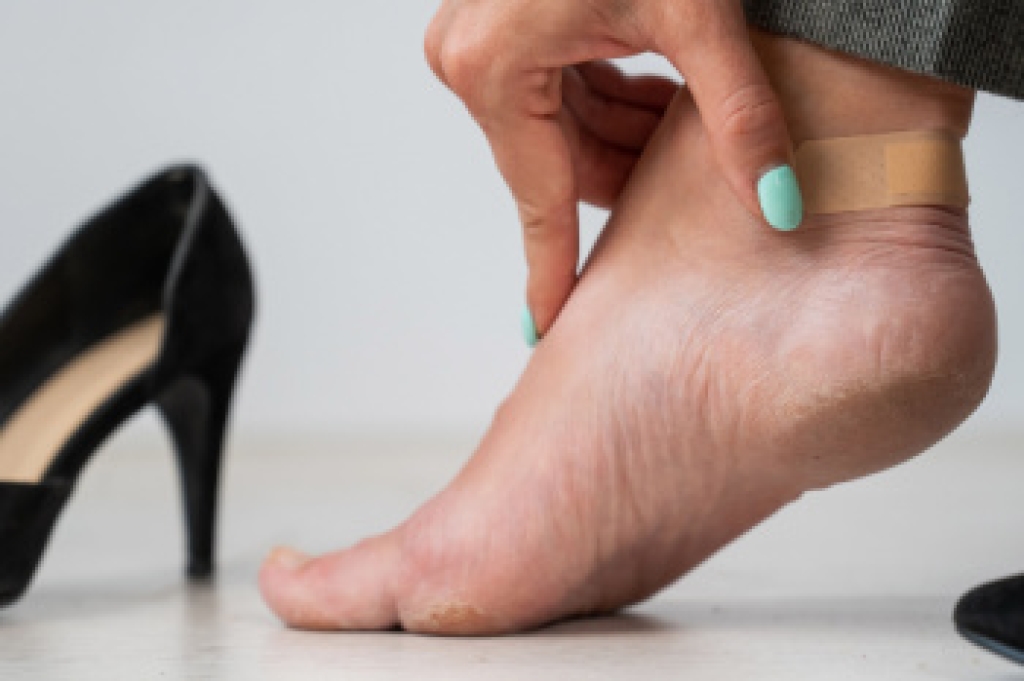
Blisters develop when the outer layer of skin separates from the layer underneath, creating a pocket of fluid. Friction is a major cause, especially when skin repeatedly rubs against shoes, socks, or sports equipment. Blisters can also result from burns, frostbite, allergic reactions, or certain skin conditions. Early signs can include redness and irritation in the affected area. As a blister develops, it can become a raised, bubble-like area filled with clear fluid. Larger blisters can become painful and make walking or other activities difficult. An infected blister can become red, warm, swollen, and painful. The fluid can also become cloudy or contain blood.
A wound care specialist can examine a blister and the surrounding skin to determine its condition. The evaluation can include checking the size and location of the blister, examining the skin for damage, and looking for signs of infection. A wound care specialist can also consider how the blister developed and whether another condition could be affecting the skin. Professional attention is also important when a blister is infected, or when the patient has a health condition that can affect wound healing. A detailed assessment helps the specialist determine the appropriate care for the wound and surrounding tissue.
Treatment provided by a wound care specialist depends on the type, size, and condition of the blister. When a blister requires drainage, the specialist can determine the safest approach and perform the procedure with appropriate wound-care techniques. Treatment can also address infection when signs like warmth, drainage, or increased pain are present. The specialist can monitor the wound as it heals and provide care when healing does not progress as expected. Prompt evaluation can help reduce the risk of complications and support healthy skin recovery. If you have developed blisters, it is suggested that you schedule an appointment with a wound care specialist for a diagnosis and appropriate treatment.
Foot Blisters and Their Role in Skin Breakdown
Foot blisters often begin as a small area of irritation, but can quickly progress into a wound when not managed properly. They develop when constant rubbing or pressure causes layers of skin to separate, allowing fluid to collect between them. This is common during extended activity, in new or tight shoes, or when moisture softens the skin and increases friction.
In wound care, a blister is considered a vulnerable site. The thin roof over the blister protects the underlying tissue, but once it is damaged or removed, the area becomes exposed. This can lead to pain, delayed healing, and a higher chance of infection. Even a small opening in the skin can allow bacteria to enter, especially in warm, enclosed environments like shoes.
Managing a blister involves more than simply covering it. The focus should be on reducing the cause of irritation while supporting the skin as it repairs. Protective padding, moisture control, and properly fitted footwear all play a role in preventing further damage. Clean handling is important if the blister opens, as improper care can worsen the condition.
Some people need to be especially cautious. Those with diabetes, nerve changes, or poor blood flow may not feel early warning signs, allowing the area to worsen without notice. In these cases, a minor blister can develop into a more serious wound.
Blisters are not always harmless. If the area becomes increasingly painful, shows redness or drainage, or fails to improve, call us for a consultation.
If you have any questions please feel free to contact our office located in Contact Us . We provide thorough evaluations and relief options.


