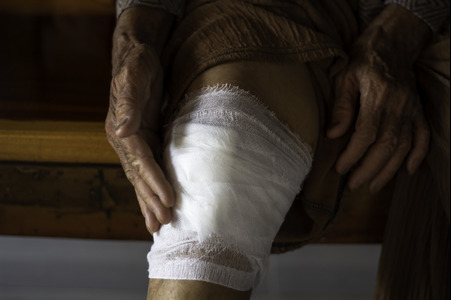
Cuts and abrasions on the lower extremities may seem straightforward, but wounds on the legs, ankles, and feet can become more complicated than expected. Everyday injuries from falls, scrapes, exercise, or accidental trauma may heal slowly when swelling, poor circulation, diabetes, or fragile skin are involved. Even shallow abrasions can become vulnerable to infection or worsen when repeated friction or pressure affects the area. A wound care specialist evaluates the injury carefully, looking at wound depth, tissue condition, drainage, surrounding skin, and healing barriers that may not be obvious at first. Treatment may include thorough cleansing, protective dressings, removal of damaged tissue when needed, and infection management. The goal is to support healing while helping prevent complications that could lead to larger wound concerns. If your lower extremity cut or abrasion is not healing as expected or is becoming more painful, it is suggested that you contact a wound care specialist for an evaluation.
Cuts and abrasions on the Legs And Feet
Cuts and abrasions on the legs and feet are common injuries that can occur during daily activities, exercise, or minor accidents. A cut is a break in the skin caused by a sharp object, while an abrasion results from the skin being scraped against a rough surface. Although these wounds may seem minor, they can become problematic, if not cared for properly.
The lower part of the body is especially vulnerable due to constant movement, pressure, and exposure. Walking, standing, and footwear can all place stress on injured skin, making it harder for wounds to close. Dirt and bacteria may also enter the area more easily, increasing the risk of infection.
Proper wound care begins with gentle cleaning to remove debris and reduce contamination. Keeping the area covered with a clean dressing helps protect the wound and supports healing. It is important to monitor for changes such as increased redness, swelling, warmth, or drainage, as these may signal infection. Allowing a wound to remain open and unprotected can delay recovery and lead to further skin breakdown.
Certain individuals may need additional attention when caring for these injuries. Those with circulation issues, diabetes, or sensitive skin may experience slower healing and a higher risk of complications. Even small cuts or scrapes should be taken seriously in these cases.
Most minor wounds heal with basic care, but not all follow a simple course. If a cut or abrasion is not improving, becomes more painful, or shows signs of infection, call us for an appointment today for a proper evaluation and treatment.
If you have any questions please feel free to contact our office located in Contact Us . We can help you with cuts and abrasions.


