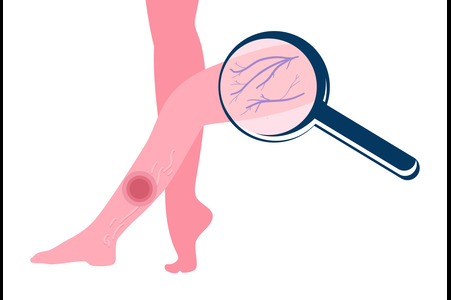
Peripheral artery disease, often called PAD, develops when narrowed arteries reduce blood flow to the legs and feet. Poor circulation means skin and deeper tissues receive less oxygen and fewer nutrients, making even small wounds harder to heal. Cuts, pressure injuries, or sores on the lower extremities may worsen quickly, sometimes becoming painful, discolored, or infected. A wound care specialist evaluates both the wound and the circulation problem contributing to delayed healing. Treatment may include detailed wound assessment, removal of damaged tissue, advanced dressings, and infection management. This type of specialist can also help with pressure reduction and coordination with vascular specialists when blood flow restoration is needed. PAD-related wounds often appear on the toes, feet, heels, or lower legs and may be accompanied by cool skin, leg pain with walking, or weak pulses. Early care is important because untreated circulation-related wounds can lead to serious complications, including tissue loss. Specialized wound treatment supports healing while addressing the underlying cause. If you have symptoms of PAD, it is suggested that you see a wound care specialist.
Chronic Lower Limb Wounds and the Need for Ongoing Care
Chronic wounds of the lower limbs are injuries to the skin that do not progress through normal stages of healing. These wounds often affect the feet, ankles, and lower legs, and may remain open for an extended period of time. They are frequently linked to underlying conditions such as diabetes, venous disease, or limited blood flow, all of which can interfere with the body’s ability to repair tissue.
Unlike minor cuts that close on their own, chronic wounds tend to stall. The surrounding skin may become fragile, and the wound bed can struggle to form new, healthy tissue. Repeated pressure, swelling, and moisture imbalance can further delay healing. In some cases, individuals may not feel discomfort due to nerve changes, allowing the wound to worsen without early awareness.
Effective wound care requires a comprehensive approach. The area must be kept clean and protected, but that alone is not enough. Controlling swelling, improving circulation, and relieving pressure are essential steps. Specialized dressings may be used to maintain the right level of moisture, which supports tissue repair while reducing the risk of breakdown.
Close monitoring is important, as chronic wounds can change quickly. Increased redness, drainage, odor, or pain may signal infection or other complications that need immediate attention. Early recognition of these changes can make a significant difference in recovery.
Chronic wounds are a sign that the body needs additional support to heal. If you have a wound on your lower limb that is not improving or continues to return, reach out to us for care.
If you have any questions please feel free to contact our office located in Contact Us . We are here to help you.


