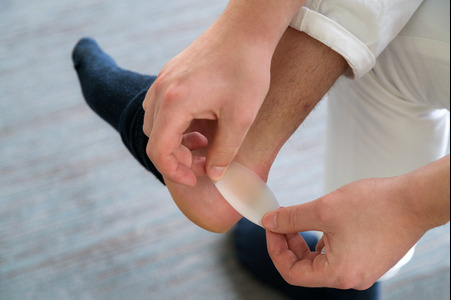
A blister on the lower leg or foot does not always require advanced treatment, but certain changes may suggest infection and should not be ignored. Warning signs include increasing redness around the blister, warmth, swelling, and worsening pain. Cloudy or foul-smelling drainage, or skin that begins to break down instead of heal, are also signs of an infected blister. Some people may also develop a fever or chills if the infection is spreading. Individuals with diabetes, poor circulation, nerve damage, or chronic swelling may face a higher risk because healing can be slower, and early symptoms may be less noticeable. A wound care specialist can examine the area, determine whether infection is present, clean and dress the wound appropriately, and address underlying issues that may be contributing to delayed healing. Prompt care may help prevent a small blister from becoming a more serious lower extremity wound. If you notice signs of an infected blister or a wound that is not improving, it is suggested that you schedule an evaluation with a wound care specialist.
Foot Blisters and Their Role in Skin Breakdown
Foot blisters often begin as a small area of irritation, but can quickly progress into a wound when not managed properly. They develop when constant rubbing or pressure causes layers of skin to separate, allowing fluid to collect between them. This is common during extended activity, in new or tight shoes, or when moisture softens the skin and increases friction.
In wound care, a blister is considered a vulnerable site. The thin roof over the blister protects the underlying tissue, but once it is damaged or removed, the area becomes exposed. This can lead to pain, delayed healing, and a higher chance of infection. Even a small opening in the skin can allow bacteria to enter, especially in warm, enclosed environments like shoes.
Managing a blister involves more than simply covering it. The focus should be on reducing the cause of irritation while supporting the skin as it repairs. Protective padding, moisture control, and properly fitted footwear all play a role in preventing further damage. Clean handling is important if the blister opens, as improper care can worsen the condition.
Some people need to be especially cautious. Those with diabetes, nerve changes, or poor blood flow may not feel early warning signs, allowing the area to worsen without notice. In these cases, a minor blister can develop into a more serious wound.
Blisters are not always harmless. If the area becomes increasingly painful, shows redness or drainage, or fails to improve, call us for a consultation.
If you have any questions please feel free to contact our office located in Contact Us . We provide thorough evaluations and relief options.


