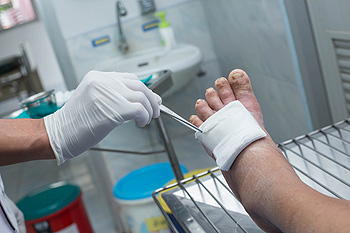
Not all lower extremity ulcers develop for the same reason, which is why accurate diagnosis is essential before treatment begins. Two of the most common chronic wounds affecting the legs are arterial ulcers and venous ulcers, and while they may look similar at first, their causes and care needs are very different. Arterial ulcers develop when poor blood flow through the arteries limits oxygen delivery to tissues, often leading to painful wounds on the feet, heels, or toes with a punched-out appearance. The surrounding skin may look shiny, cool, or pale. Venous ulcers result from poor vein function, where blood pools in the lower legs and increases pressure in surrounding tissues. These wounds often appear near the ankles, may drain, and are commonly linked with swelling, skin discoloration, and aching discomfort. A wound care specialist evaluates circulation, wound depth, and tissue health to guide treatment and support the healing of chronic lower extremity wounds. If you have an ulcer on your feet or ankles, it is suggested that you see a wound care specialist.
Understanding Pressure Sores, Pressure Ulcers, and Arterial Ulcers
Wounds that develop on the skin due to pressure or poor blood flow require careful attention. Pressure sores, also called pressure ulcers, form when constant pressure reduces blood supply to an area, often over bony parts of the body. This can happen in individuals who spend long periods of time sitting or lying down. Without relief of pressure, the skin and underlying tissue can break down, leading to an open wound.
Arterial ulcers develop for a different reason. These wounds are caused by reduced blood flow through the arteries, which limits the oxygen and nutrients needed for healing. They are often found on the feet or toes, and may appear as deep, painful sores with well-defined edges. The surrounding skin may feel cool, and healing can be slow without improving circulation.
From a wound care perspective, identifying the cause is essential. Pressure-related wounds require off-loading, which means reducing or redistributing pressure on the affected area. Arterial ulcers require evaluation of blood flow and may need medical intervention to improve circulation.
Proper care includes keeping wounds clean, protected, and monitored for signs of infection such as redness, swelling, drainage, or increased pain. Dressings are selected based on the condition of the wound and surrounding skin. Early treatment can help prevent complications and support healing.
If you have a wound that is not improving or appears to be worsening, call us for an appointment today so a provider can evaluate the area and recommend appropriate treatment.
If you have any questions please feel free to contact our office located in Contact Us . We can help you with relief options.


