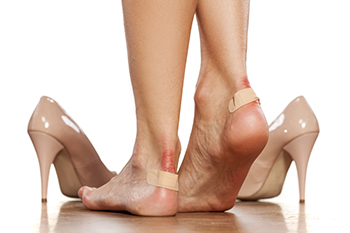
Blisters on the lower extremities can start with something as simple as friction, but prevention often involves more than changing footwear. Moisture control, reducing pressure points, managing leg swelling, protecting fragile skin, and addressing underlying circulation or nerve problems can all help lower the risk. For people with diabetes, poor blood flow, or decreased sensation, prevention is especially important because a small blister can quickly become a more serious wound. When treatment is needed, a wound care specialist determines whether the blister should remain protected or requires drainage, evaluates for infection, and selects dressings that support healing while shielding the skin from further injury. They also assess why the blister developed in the first place, whether from pressure, footwear, edema, vascular disease, or repeated irritation. Preventing recurrence is a key part of care. If you are dealing with recurring blisters or a blister that is not healing as expected, it is suggested that you schedule an evaluation with a wound care specialist.
Why Blisters Can Be Risky for Leg and Foot Health
Blisters are small pockets of fluid that form beneath the skin, often as a result of friction, pressure, or burns. On the feet, ankles, and legs, they are particularly common because these areas endure daily stress from walking, running, and wearing shoes. While many blisters are minor, they can become serious if not treated correctly, especially in individuals with diabetes or poor circulation.
Friction is the most common cause of blisters. Shoes that are too tight, too loose, or not properly cushioned may rub against the heel, toes, or sides of the foot, leading to painful fluid-filled bubbles. Activities such as hiking, sports, or even long periods of standing can also trigger blisters, especially when combined with moisture from sweat.
Other blisters may form from burns, allergic reactions, or underlying medical conditions. On the lower extremities, blisters that break open expose the skin to bacteria, increasing the risk of infection and complicating the healing process. If a blister appears on the ankle, heel, or shin, it may interfere with walking and daily mobility.
Proper care begins with protecting the blister. Keeping the area clean, covered, and free from further friction supports healing. However, large, painful, or recurrent blisters often require professional evaluation. For patients with compromised circulation or nerve damage, even a small blister can turn into a much larger problem if ignored.
A wound care specialist can determine the cause, provide safe drainage if needed, and apply advanced dressings to promote recovery. They can also recommend changes in footwear, activity, or skin protection strategies to prevent future blisters.
If you have developed a blister on your foot, ankle, or leg that is not healing or is becoming more painful, make an appointment with us as soon as possible.


