Blog
Items filtered by date: June 2026
Tuesday, 23 June 2026 00:00
Tetanus Concerns in Chronic Lower Extremity Wounds
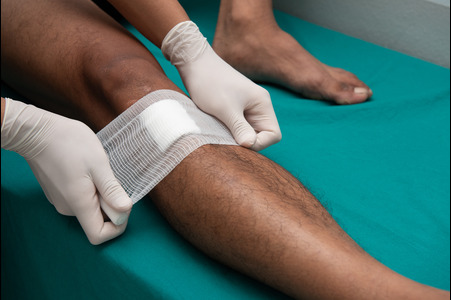
Lower extremity wounds seen by a wound care specialist are not always new injuries. Chronic wounds, including diabetic foot ulcers, venous leg ulcers, pressure injuries, and nonhealing traumatic wounds, may create ongoing concern when tissue damage, contamination, or repeated breakdown are present. Tetanus is a serious bacterial infection associated with wounds that involve devitalized tissue, contamination, or deeper injury. While clean minor wounds may only require a booster if the last tetanus vaccine was 10 years ago, higher-risk wounds may call for updated protection if the last dose was five or more years ago. Patients with uncertain vaccination history may need additional treatment. In wound care, reviewing tetanus status is part of a broader assessment that includes infection risk, tissue health, circulation, and healing progress. Proper evaluation helps guide safe treatment decisions for both acute and chronic lower extremity wounds. If you have a concerning nonhealing wound, a wound care specialist evaluation is suggested.
Chronic Wounds On Lower Limbs and the Importance of Early Care
Chronic wounds on the lower limbs are areas of skin that fail to heal within a normal time frame, often lasting weeks or longer. These wounds may develop on the feet, ankles, or legs, and are commonly linked to conditions such as diabetes, poor circulation, or prolonged pressure. What begins as a small sore can gradually worsen when the body is unable to repair the damaged tissue effectively.
From a wound care perspective, chronic wounds require careful evaluation and ongoing management. Reduced blood flow can limit the delivery of oxygen and nutrients needed for healing, while swelling or nerve changes may further complicate recovery. In some cases, individuals may not feel pain in the affected area, allowing the wound to progress without notice.
Proper care focuses on addressing both the wound and its underlying cause. Cleaning the area, removing damaged tissue when necessary, and applying appropriate dressings help create a healthy environment for healing. Off-loading pressure from the affected site is also critical, especially for wounds on the bottom of the foot. Without this step, repeated stress can delay improvement.
Monitoring for signs of infection is especially important. Redness, warmth, swelling, drainage, or a change in odor may indicate that the wound requires prompt medical attention. Early intervention can prevent complications and support better outcomes.
Chronic wounds are complex and should not be managed alone. Make an appointment with us today for a thorough evaluation, diagnosis, and treatment.
If you have any questions please feel free to contact our office located in Contact Us . We are here to help you.
Friday, 05 June 2026 00:00
Specialized Care for Pressure and Circulatory Ulcers
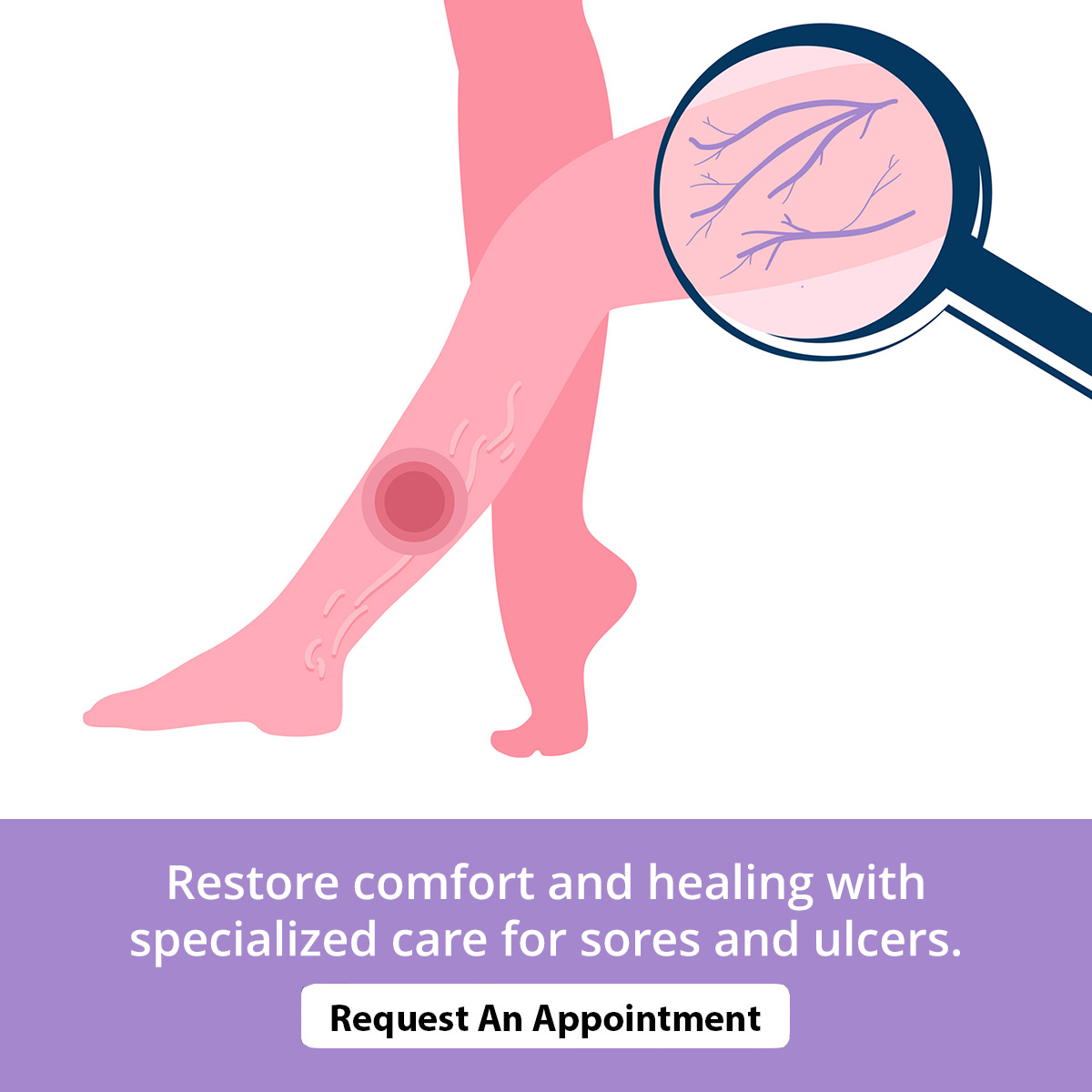
Pressure sores and arterial ulcers need careful, specialized treatment to prevent infection and promote healing. Our wound care expert uses advanced therapies to improve circulation, relieve pressure, and support tissue repair. Early, consistent care helps wounds close properly and reduces the risk of complications.
Tuesday, 02 June 2026 00:00
From Blister to Cellulitis
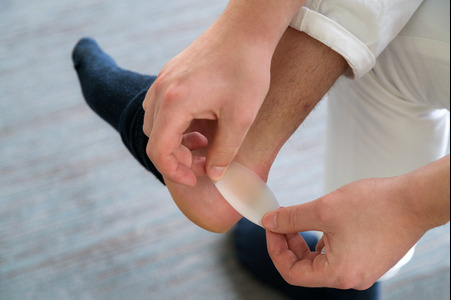
A simple blister on the lower leg or foot may seem minor, but when the skin barrier breaks, bacteria can enter and trigger cellulitis, a deeper skin infection that can spread quickly. Friction from shoes, swelling in the legs, poor circulation, diabetes, and reduced feeling in the feet can make blisters more likely and harder to notice before they worsen. Once infection develops, the area may become red, warm, swollen, painful, and tender, sometimes with drainage or fever. In people with chronic wounds or circulation problems, the risk can be greater. A wound care specialist evaluates the blister, removes damaged tissue when needed, manages infection concerns, and protects the area with proper dressings that support healing. They also assess contributing issues such as venous disease, arterial disease, pressure, or diabetes that may be slowing recovery. Early evaluation is important when a blister on the lower limb shows signs of infection or fails to heal properly. If you have a painful blister, especially one that appears infected, it is suggested that you see a wound care specialist.
Blisters On Feet and Why Proper Wound Care Matters
Blisters on the feet are common, but they should not be ignored, especially when they become painful or slow to heal. A blister forms when repeated friction, pressure, or heat causes the upper layers of skin to separate and fill with fluid. This often happens during walking, running, or wearing ill-fitting shoes. While many blisters heal on their own, they can become open wounds if they rupture, creating a pathway for infection.
From a wound care perspective, protecting the skin barrier is critical. An intact blister acts as a natural covering, helping shield the underlying tissue. Popping or peeling the skin too early can delay healing and increase the risk of bacteria entering the area. Signs of concern include redness, warmth, swelling, drainage, or increasing pain. These may indicate infection and require prompt attention.
Certain individuals face higher risks. People with diabetes, poor circulation, or weakened immune systems may develop complications from even small blisters. In these cases, what starts as minor skin irritation can progress into a more serious wound, if not properly managed.
Proper care includes keeping the area clean, dry, and protected with appropriate dressings. Reducing pressure and friction is equally important. This may involve changing footwear, using padding, or modifying activity levels while healing occurs.
Blisters may seem simple, but they can quickly become complex wounds without proper care. If a blister is not healing, make an appointment with us today for expert care.
If you have any questions please feel free to contact our office located in Contact Us . We can provide a diagnosis and treatment.


