Blog
Items filtered by date: October 2026
Tuesday, 06 October 2026 00:00
Healing Pressure Ulcers Below the Knee
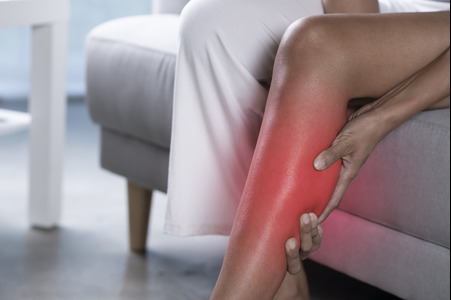
Pressure ulcers on the lower extremities often develop on the heels, ankles, or other areas where prolonged pressure reduces blood flow to the skin and deeper tissue. These wounds are more common in people with limited mobility, diabetes, poor circulation, or reduced feeling in the legs and feet. Because lower extremity wounds can be complicated by swelling, arterial disease, or infection, proper evaluation is important. A wound care specialist examines the ulcer’s depth, tissue condition, drainage, and surrounding skin while also assessing circulation and factors that may delay healing. Treatment may include removal of damaged tissue, advanced dressings, infection management, and pressure relief through offloading devices. Care plans designed to protect vulnerable areas from further breakdown may also be provided. Medical conditions affecting healing are addressed as part of treatment. Pressure ulcers on the legs or feet can worsen without expert care. If you have a lower extremity pressure ulcer, it is suggested that you see a wound care specialist who can help guide treatment and recovery.
Types of Wounds Caused by Pressure and Poor Circulation
Some wounds develop not from injury, but from ongoing stress to the skin or reduced blood flow. Pressure sores, often referred to as pressure ulcers, occur when an area of the body is exposed to continuous pressure. This pressure limits circulation and can damage the skin and deeper tissue. These wounds commonly form on the heels, hips, or other areas where bone is close to the surface.
Arterial ulcers develop when blood flow through the arteries is restricted. Without enough oxygen and nutrients, the skin cannot maintain its health or repair itself effectively. These wounds are often found on the feet or toes, and may appear as small but deep areas of tissue loss. They can be painful and slow to heal due to limited circulation.
Care begins with understanding the underlying cause. For pressure-related wounds, reducing contact and relieving stress on the area is essential. This may involve repositioning, cushioning, or using supportive surfaces. For arterial ulcers, improving circulation is a priority and may require further medical evaluation.
Wound management also includes keeping the area clean, protecting it with appropriate dressings, and monitoring changes in the surrounding skin. Warning signs such as increased redness, drainage, odor, or worsening pain should be addressed promptly.
These wounds can progress without proper care and may become more difficult to treat, over time. If you have a sore that is not healing or appears to be getting worse, call us for an appointment today so a provider can evaluate the area and recommend appropriate treatment.
If you have any questions please feel free to contact our office located in Contact Us . We can provide a diagnosis and care.


