Blog
Items filtered by date: September 2026
Tuesday, 29 September 2026 00:00
Preventing and Treating Lower Extremity Blisters
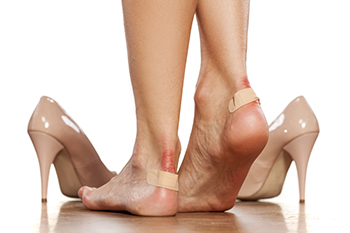
Blisters on the lower extremities can start with something as simple as friction, but prevention often involves more than changing footwear. Moisture control, reducing pressure points, managing leg swelling, protecting fragile skin, and addressing underlying circulation or nerve problems can all help lower the risk. For people with diabetes, poor blood flow, or decreased sensation, prevention is especially important because a small blister can quickly become a more serious wound. When treatment is needed, a wound care specialist determines whether the blister should remain protected or requires drainage, evaluates for infection, and selects dressings that support healing while shielding the skin from further injury. They also assess why the blister developed in the first place, whether from pressure, footwear, edema, vascular disease, or repeated irritation. Preventing recurrence is a key part of care. If you are dealing with recurring blisters or a blister that is not healing as expected, it is suggested that you schedule an evaluation with a wound care specialist.
Why Blisters Can Be Risky for Leg and Foot Health
Blisters are small pockets of fluid that form beneath the skin, often as a result of friction, pressure, or burns. On the feet, ankles, and legs, they are particularly common because these areas endure daily stress from walking, running, and wearing shoes. While many blisters are minor, they can become serious if not treated correctly, especially in individuals with diabetes or poor circulation.
Friction is the most common cause of blisters. Shoes that are too tight, too loose, or not properly cushioned may rub against the heel, toes, or sides of the foot, leading to painful fluid-filled bubbles. Activities such as hiking, sports, or even long periods of standing can also trigger blisters, especially when combined with moisture from sweat.
Other blisters may form from burns, allergic reactions, or underlying medical conditions. On the lower extremities, blisters that break open expose the skin to bacteria, increasing the risk of infection and complicating the healing process. If a blister appears on the ankle, heel, or shin, it may interfere with walking and daily mobility.
Proper care begins with protecting the blister. Keeping the area clean, covered, and free from further friction supports healing. However, large, painful, or recurrent blisters often require professional evaluation. For patients with compromised circulation or nerve damage, even a small blister can turn into a much larger problem if ignored.
A wound care specialist can determine the cause, provide safe drainage if needed, and apply advanced dressings to promote recovery. They can also recommend changes in footwear, activity, or skin protection strategies to prevent future blisters.
If you have developed a blister on your foot, ankle, or leg that is not healing or is becoming more painful, make an appointment with us as soon as possible.
Tuesday, 22 September 2026 00:00
When Lower Extremity Ulcers Have Different Causes
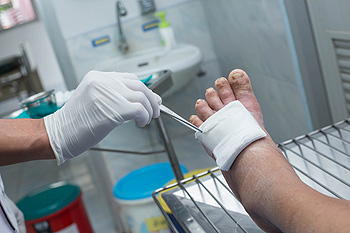
Not all lower extremity ulcers develop for the same reason, which is why accurate diagnosis is essential before treatment begins. Two of the most common chronic wounds affecting the legs are arterial ulcers and venous ulcers, and while they may look similar at first, their causes and care needs are very different. Arterial ulcers develop when poor blood flow through the arteries limits oxygen delivery to tissues, often leading to painful wounds on the feet, heels, or toes with a punched-out appearance. The surrounding skin may look shiny, cool, or pale. Venous ulcers result from poor vein function, where blood pools in the lower legs and increases pressure in surrounding tissues. These wounds often appear near the ankles, may drain, and are commonly linked with swelling, skin discoloration, and aching discomfort. A wound care specialist evaluates circulation, wound depth, and tissue health to guide treatment and support the healing of chronic lower extremity wounds. If you have an ulcer on your feet or ankles, it is suggested that you see a wound care specialist.
Understanding Pressure Sores, Pressure Ulcers, and Arterial Ulcers
Wounds that develop on the skin due to pressure or poor blood flow require careful attention. Pressure sores, also called pressure ulcers, form when constant pressure reduces blood supply to an area, often over bony parts of the body. This can happen in individuals who spend long periods of time sitting or lying down. Without relief of pressure, the skin and underlying tissue can break down, leading to an open wound.
Arterial ulcers develop for a different reason. These wounds are caused by reduced blood flow through the arteries, which limits the oxygen and nutrients needed for healing. They are often found on the feet or toes, and may appear as deep, painful sores with well-defined edges. The surrounding skin may feel cool, and healing can be slow without improving circulation.
From a wound care perspective, identifying the cause is essential. Pressure-related wounds require off-loading, which means reducing or redistributing pressure on the affected area. Arterial ulcers require evaluation of blood flow and may need medical intervention to improve circulation.
Proper care includes keeping wounds clean, protected, and monitored for signs of infection such as redness, swelling, drainage, or increased pain. Dressings are selected based on the condition of the wound and surrounding skin. Early treatment can help prevent complications and support healing.
If you have a wound that is not improving or appears to be worsening, call us for an appointment today so a provider can evaluate the area and recommend appropriate treatment.
If you have any questions please feel free to contact our office located in Contact Us . We can help you with relief options.
Friday, 18 September 2026 00:00
Advanced Care for Chronic Wounds
Chronic wounds can take weeks or even months to heal without proper care. Our wound care specialist uses advanced treatments to improve circulation, reduce infection risk, and promote faster recovery. With timely, focused care, even slow-healing wounds can repair naturally.
Tuesday, 15 September 2026 00:00
Is Your Blister Infected?
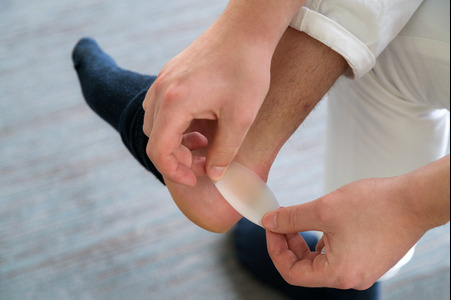
A blister on the lower leg or foot does not always require advanced treatment, but certain changes may suggest infection and should not be ignored. Warning signs include increasing redness around the blister, warmth, swelling, and worsening pain. Cloudy or foul-smelling drainage, or skin that begins to break down instead of heal, are also signs of an infected blister. Some people may also develop a fever or chills if the infection is spreading. Individuals with diabetes, poor circulation, nerve damage, or chronic swelling may face a higher risk because healing can be slower, and early symptoms may be less noticeable. A wound care specialist can examine the area, determine whether infection is present, clean and dress the wound appropriately, and address underlying issues that may be contributing to delayed healing. Prompt care may help prevent a small blister from becoming a more serious lower extremity wound. If you notice signs of an infected blister or a wound that is not improving, it is suggested that you schedule an evaluation with a wound care specialist.
Foot Blisters and Their Role in Skin Breakdown
Foot blisters often begin as a small area of irritation, but can quickly progress into a wound when not managed properly. They develop when constant rubbing or pressure causes layers of skin to separate, allowing fluid to collect between them. This is common during extended activity, in new or tight shoes, or when moisture softens the skin and increases friction.
In wound care, a blister is considered a vulnerable site. The thin roof over the blister protects the underlying tissue, but once it is damaged or removed, the area becomes exposed. This can lead to pain, delayed healing, and a higher chance of infection. Even a small opening in the skin can allow bacteria to enter, especially in warm, enclosed environments like shoes.
Managing a blister involves more than simply covering it. The focus should be on reducing the cause of irritation while supporting the skin as it repairs. Protective padding, moisture control, and properly fitted footwear all play a role in preventing further damage. Clean handling is important if the blister opens, as improper care can worsen the condition.
Some people need to be especially cautious. Those with diabetes, nerve changes, or poor blood flow may not feel early warning signs, allowing the area to worsen without notice. In these cases, a minor blister can develop into a more serious wound.
Blisters are not always harmless. If the area becomes increasingly painful, shows redness or drainage, or fails to improve, call us for a consultation.
If you have any questions please feel free to contact our office located in Contact Us . We provide thorough evaluations and relief options.
Tuesday, 08 September 2026 00:00
Peripheral Artery Disease and Lower Extremity Wound Care
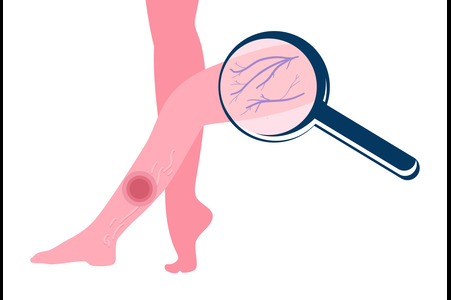
Peripheral artery disease, often called PAD, develops when narrowed arteries reduce blood flow to the legs and feet. Poor circulation means skin and deeper tissues receive less oxygen and fewer nutrients, making even small wounds harder to heal. Cuts, pressure injuries, or sores on the lower extremities may worsen quickly, sometimes becoming painful, discolored, or infected. A wound care specialist evaluates both the wound and the circulation problem contributing to delayed healing. Treatment may include detailed wound assessment, removal of damaged tissue, advanced dressings, and infection management. This type of specialist can also help with pressure reduction and coordination with vascular specialists when blood flow restoration is needed. PAD-related wounds often appear on the toes, feet, heels, or lower legs and may be accompanied by cool skin, leg pain with walking, or weak pulses. Early care is important because untreated circulation-related wounds can lead to serious complications, including tissue loss. Specialized wound treatment supports healing while addressing the underlying cause. If you have symptoms of PAD, it is suggested that you see a wound care specialist.
Chronic Lower Limb Wounds and the Need for Ongoing Care
Chronic wounds of the lower limbs are injuries to the skin that do not progress through normal stages of healing. These wounds often affect the feet, ankles, and lower legs, and may remain open for an extended period of time. They are frequently linked to underlying conditions such as diabetes, venous disease, or limited blood flow, all of which can interfere with the body’s ability to repair tissue.
Unlike minor cuts that close on their own, chronic wounds tend to stall. The surrounding skin may become fragile, and the wound bed can struggle to form new, healthy tissue. Repeated pressure, swelling, and moisture imbalance can further delay healing. In some cases, individuals may not feel discomfort due to nerve changes, allowing the wound to worsen without early awareness.
Effective wound care requires a comprehensive approach. The area must be kept clean and protected, but that alone is not enough. Controlling swelling, improving circulation, and relieving pressure are essential steps. Specialized dressings may be used to maintain the right level of moisture, which supports tissue repair while reducing the risk of breakdown.
Close monitoring is important, as chronic wounds can change quickly. Increased redness, drainage, odor, or pain may signal infection or other complications that need immediate attention. Early recognition of these changes can make a significant difference in recovery.
Chronic wounds are a sign that the body needs additional support to heal. If you have a wound on your lower limb that is not improving or continues to return, reach out to us for care.
If you have any questions please feel free to contact our office located in Contact Us . We are here to help you.
Tuesday, 01 September 2026 00:00
Treating Lower Extremity Cuts and Abrasions
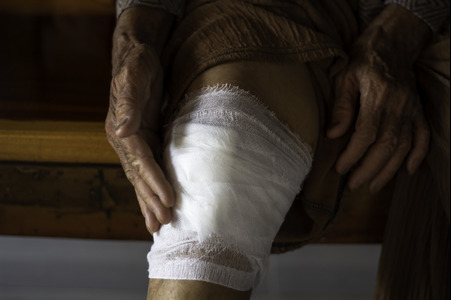
Cuts and abrasions on the lower extremities may seem straightforward, but wounds on the legs, ankles, and feet can become more complicated than expected. Everyday injuries from falls, scrapes, exercise, or accidental trauma may heal slowly when swelling, poor circulation, diabetes, or fragile skin are involved. Even shallow abrasions can become vulnerable to infection or worsen when repeated friction or pressure affects the area. A wound care specialist evaluates the injury carefully, looking at wound depth, tissue condition, drainage, surrounding skin, and healing barriers that may not be obvious at first. Treatment may include thorough cleansing, protective dressings, removal of damaged tissue when needed, and infection management. The goal is to support healing while helping prevent complications that could lead to larger wound concerns. If your lower extremity cut or abrasion is not healing as expected or is becoming more painful, it is suggested that you contact a wound care specialist for an evaluation.
Cuts and abrasions on the Legs And Feet
Cuts and abrasions on the legs and feet are common injuries that can occur during daily activities, exercise, or minor accidents. A cut is a break in the skin caused by a sharp object, while an abrasion results from the skin being scraped against a rough surface. Although these wounds may seem minor, they can become problematic, if not cared for properly.
The lower part of the body is especially vulnerable due to constant movement, pressure, and exposure. Walking, standing, and footwear can all place stress on injured skin, making it harder for wounds to close. Dirt and bacteria may also enter the area more easily, increasing the risk of infection.
Proper wound care begins with gentle cleaning to remove debris and reduce contamination. Keeping the area covered with a clean dressing helps protect the wound and supports healing. It is important to monitor for changes such as increased redness, swelling, warmth, or drainage, as these may signal infection. Allowing a wound to remain open and unprotected can delay recovery and lead to further skin breakdown.
Certain individuals may need additional attention when caring for these injuries. Those with circulation issues, diabetes, or sensitive skin may experience slower healing and a higher risk of complications. Even small cuts or scrapes should be taken seriously in these cases.
Most minor wounds heal with basic care, but not all follow a simple course. If a cut or abrasion is not improving, becomes more painful, or shows signs of infection, call us for an appointment today for a proper evaluation and treatment.
If you have any questions please feel free to contact our office located in Contact Us . We can help you with cuts and abrasions.


