Treating Traumatic Foot and Leg Wounds

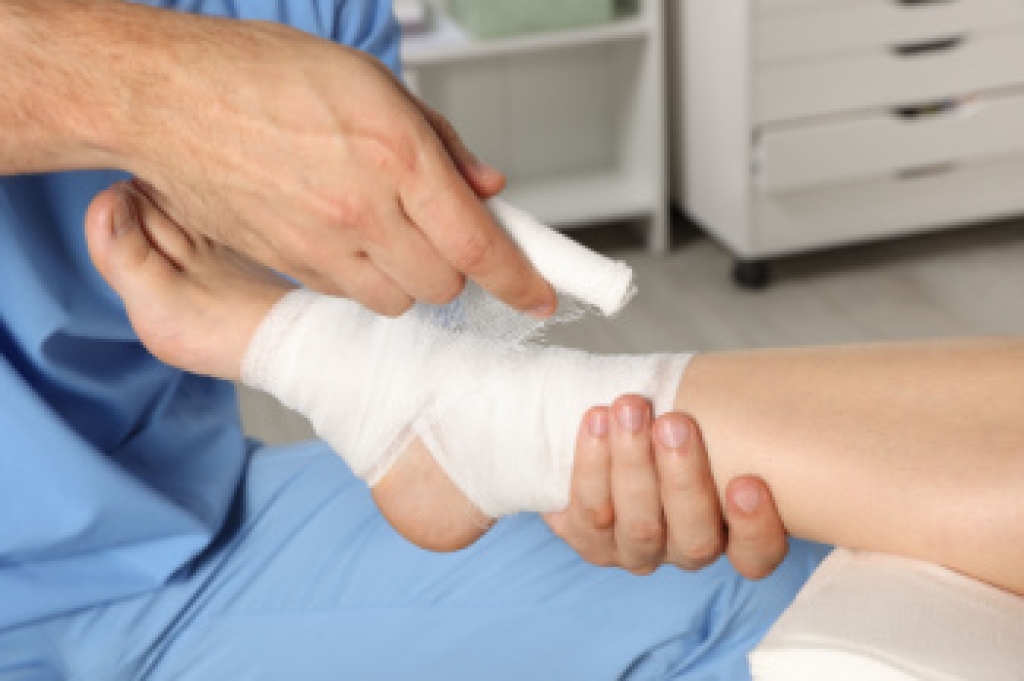
Traumatic wounds in the lower extremities can happen after falls, sports injuries, accidents, or cuts caused by sharp objects. These wounds may affect the skin, muscles, nerves, or deeper tissues in the feet and legs. Many patients experience pain, swelling, bleeding, bruising, or difficulty walking after the injury occurs. Some wounds may appear minor at first but can become serious if infection develops or healing slows down. Proper treatment often depends on the depth and location of the wound, along with the patient’s circulation and overall health. A wound care specialist can clean the injured area, remove damaged tissue, close certain wounds, and help reduce pressure that may interfere with healing. Medical care may also include wound dressings, infection management, and monitoring for complications during recovery. Early treatment can help protect the surrounding tissue and improve healing. If you have a traumatic wound on your foot or leg, it is suggested that you make an appointment with a wound care specialist for treatment.

Caring for Cuts and Abrasions on the Legs and Feet
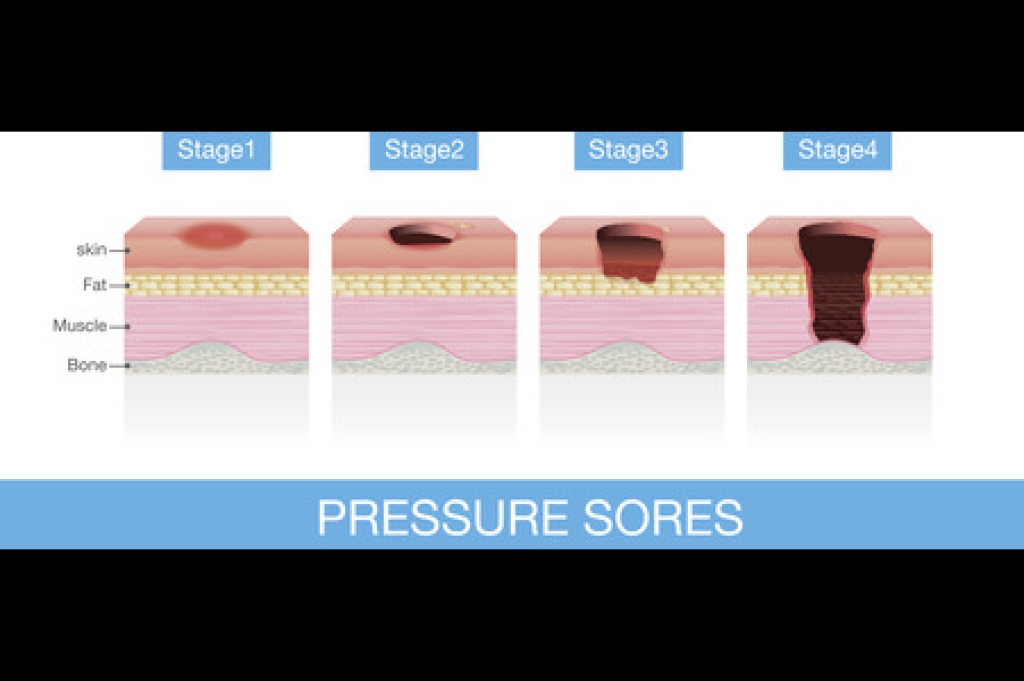
Cuts and abrasions on the legs and feet are common, but should not be dismissed as insignificant. A cut typically occurs from a sharp object, while an abrasion happens when the skin is rubbed or scraped away. Both types of wounds disrupt the skin barrier and expose the underlying tissue, making proper care important from the start.
The feet and lower legs face constant use throughout the day, which can interfere with healing. Walking, standing, and contact with footwear may place repeated stress on the injured area. This can cause the wound to reopen or delay the formation of new skin. In addition, these areas are more likely to come into contact with dirt and bacteria, increasing the risk of infection.
Effective care begins with gently cleaning the wound to remove debris. Keeping it covered with an appropriate dressing helps protect the area and maintain a stable environment for healing. Avoiding further irritation is equally important, whether that means adjusting footwear or limiting certain activities for a short time.
Healing can vary from person to person. Factors such as circulation, skin condition, and overall health all play a role. For some individuals, even minor wounds may take longer to improve or may become more complicated, if not monitored closely.
If a cut or abrasion becomes more painful, shows signs of infection, or does not heal as expected, call us for an appointment today so a provider can evaluate the area and recommend appropriate treatment.
If you have any questions please feel free to contact our office located in Contact Us . We offer thorough diagnoses and treatment.
Read more about Cuts and Abrasions

Pressure Sores After Limb Loss

Pressure sores after lower limb loss are areas of skin and tissue damage caused by constant pressure, rubbing, or pulling on the skin of the residual limb. They form when blood flow to the skin is reduced, which prevents the tissue from getting the oxygen it needs to stay healthy. This can happen from sitting or lying in one position for too long, moisture on the skin, or repeated friction. Early signs may include redness, warmth, or tenderness, and if not treated, these areas can turn into open wounds. Pressure sores can be painful, slow-healing, and limit daily activities. Prevention includes changing positions often, keeping the skin clean and dry, and checking the area daily for any changes. If a sore develops, it is suggested that you see a wound care specialist to relieve pressure, protect the area, and receive other appropriate treatment.

Understanding Pressure Sores, Pressure Ulcers, and Arterial Ulcers
Wounds that develop on the skin due to pressure or poor blood flow require careful attention. Pressure sores, also called pressure ulcers, form when constant pressure reduces blood supply to an area, often over bony parts of the body. This can happen in individuals who spend long periods of time sitting or lying down. Without relief of pressure, the skin and underlying tissue can break down, leading to an open wound.
Arterial ulcers develop for a different reason. These wounds are caused by reduced blood flow through the arteries, which limits the oxygen and nutrients needed for healing. They are often found on the feet or toes, and may appear as deep, painful sores with well-defined edges. The surrounding skin may feel cool, and healing can be slow without improving circulation.
From a wound care perspective, identifying the cause is essential. Pressure-related wounds require off-loading, which means reducing or redistributing pressure on the affected area. Arterial ulcers require evaluation of blood flow and may need medical intervention to improve circulation.
Proper care includes keeping wounds clean, protected, and monitored for signs of infection such as redness, swelling, drainage, or increased pain. Dressings are selected based on the condition of the wound and surrounding skin. Early treatment can help prevent complications and support healing.
If you have a wound that is not improving or appears to be worsening, call us for an appointment today so a provider can evaluate the area and recommend appropriate treatment.
If you have any questions please feel free to contact our office located in Contact Us . We can help you with relief options.

Read more about How Pressure and Blood Flow Affect Wound Healing

Burn Blisters and Healing

Burn blisters can develop after the skin on the feet or legs is exposed to heat, chemicals, or friction severe enough to damage the outer layers of tissue. These blisters are filled with fluid that forms as the body responds to injury and protects the damaged skin underneath. In many cases, the fluid helps create a barrier against irritation while supporting the early stages of healing. However, burn blisters on the lower extremities can become complicated because the feet and legs are exposed to pressure, movement, and reduced circulation. Large or broken blisters may increase the risk of infection, swelling, and delayed healing. Patients with diabetes or poor circulation may face greater complications from even minor burns. A wound care specialist can examine the injured area, monitor healing, manage wound care, and help prevent further tissue damage or infection. If you develop burn blisters on your feet or legs, it is suggested that you consult a wound care specialist for treatment.

Blisters On Feet and Why Proper Wound Care Matters
Blisters on the feet are common, but they should not be ignored, especially when they become painful or slow to heal. A blister forms when repeated friction, pressure, or heat causes the upper layers of skin to separate and fill with fluid. This often happens during walking, running, or wearing ill-fitting shoes. While many blisters heal on their own, they can become open wounds if they rupture, creating a pathway for infection.
From a wound care perspective, protecting the skin barrier is critical. An intact blister acts as a natural covering, helping shield the underlying tissue. Popping or peeling the skin too early can delay healing and increase the risk of bacteria entering the area. Signs of concern include redness, warmth, swelling, drainage, or increasing pain. These may indicate infection and require prompt attention.
Certain individuals face higher risks. People with diabetes, poor circulation, or weakened immune systems may develop complications from even small blisters. In these cases, what starts as minor skin irritation can progress into a more serious wound, if not properly managed.
Proper care includes keeping the area clean, dry, and protected with appropriate dressings. Reducing pressure and friction is equally important. This may involve changing footwear, using padding, or modifying activity levels while healing occurs.
Blisters may seem simple, but they can quickly become complex wounds without proper care. If a blister is not healing, make an appointment with us today for expert care.
If you have any questions please feel free to contact our office located in Contact Us . We can provide a diagnosis and treatment.

Read more about Blisters

Specialized Care for Pressure and Circulatory Ulcers

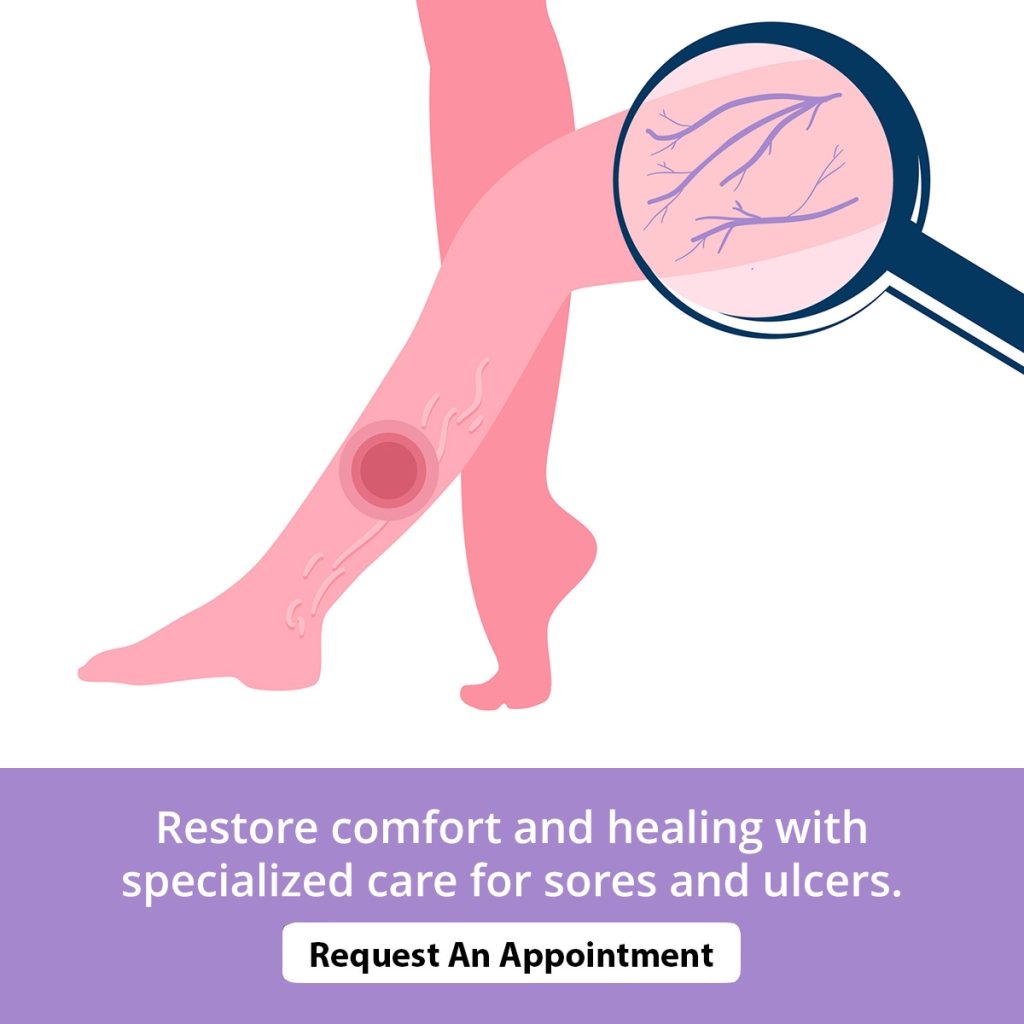
Pressure sores and arterial ulcers need careful, specialized treatment to prevent infection and promote healing. Our wound care expert uses advanced therapies to improve circulation, relieve pressure, and support tissue repair. Early, consistent care helps wounds close properly and reduces the risk of complications.

Specialized Care for Chronic Lower Extremity Ulcers in Older Adults

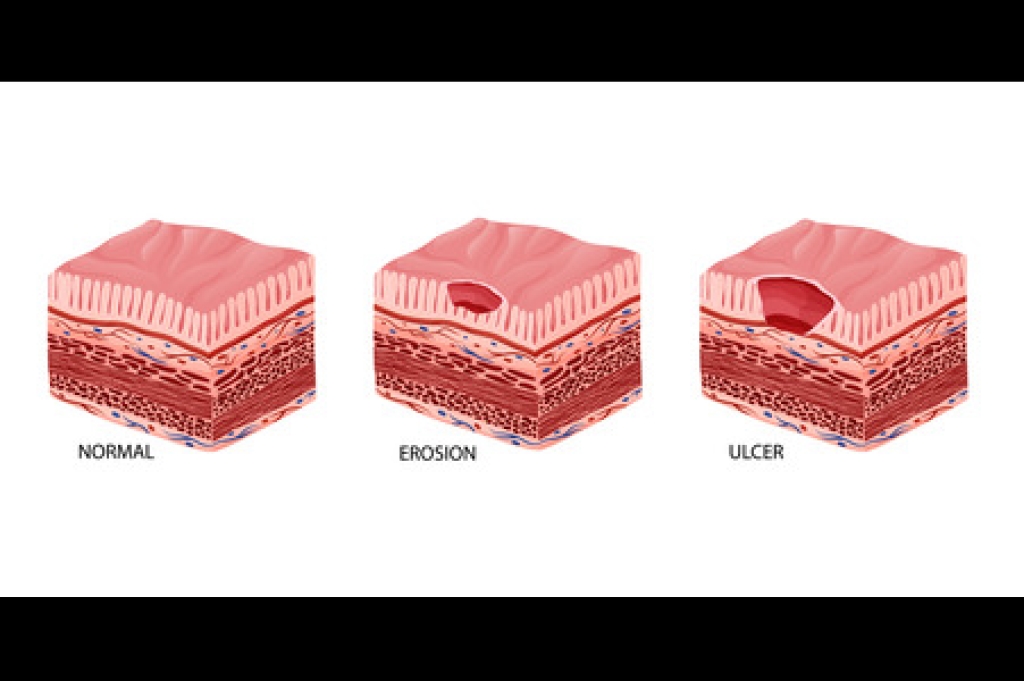
Chronic lower extremity ulcers in older adults require thoughtful evaluation because several underlying conditions can interfere with healing. Chronic venous ulcers often develop when poor vein function leads to swelling, skin changes, and tissue breakdown. Arterial ulcers are linked to reduced blood flow, which can leave tissue starved of oxygen and slow recovery. Diabetic ulcers may form after minor trauma, pressure, or friction, especially when nerve damage reduces normal sensation in the feet or legs. A wound care specialist carefully assesses the ulcer’s size, depth, drainage, surrounding skin, tissue condition, and signs of infection while also evaluating circulation and other health concerns that may affect healing. Treatment depends on the type of ulcer and may include advanced dressings, removal of unhealthy tissue, pressure relief, compression when appropriate, infection management, and coordination of care for underlying medical issues. Chronic ulcers should not be ignored, particularly in older adults, as delayed treatment can increase the risk of worsening tissue damage and other serious complications. If you have any kind of foot or lower leg ulcer, it is suggested that you see a wound care specialist.

Pressure Sores, Pressure Ulcers, and Arterial Ulcers Can Lead to Skin Breakdown

Not all wounds on the feet, ankles, and legs are the same. Pressure sores, pressure ulcers, and arterial ulcers may look similar at first, but develop for different reasons and require specialized care. Understanding these differences is key to proper treatment.

Pressure sores are often caused by friction at common rubbing points. Toes rubbing against each other can create small raw areas, while wearing ill-fitting shoes may lead to sores on the heel, ankle, or sides of the foot. These injuries usually begin at the surface but can quickly deepen if ignored.

Pressure ulcers, sometimes called bedsores, occur when the skin and tissue are compressed between bone and an external surface for long periods of time. On the lower extremities, they frequently appear on the heels, ankles, calves, or shins. Limited mobility, tight footwear, or prolonged bed rest can all contribute to these ulcers, which may progress through multiple stages from redness to open, infected wounds.

Arterial ulcers are different in that they result from poor circulation. When blood flow to the feet and legs is reduced, oxygen and nutrients cannot reach the tissue. Even small sores on the toes, heels, or shins may become painful, deep ulcers that heal very slowly. Unlike friction-related sores, arterial ulcers are directly tied to vascular health and often signal an underlying circulation problem.

All three types of wounds demand professional attention. A wound care specialist can determine the cause, relieve pressure, improve circulation when possible, and use advanced techniques to promote healing.

If you notice a sore on your foot, ankle, or leg that is slow to close or worsening, call us for timely care to help prevent serious complications and preserve long-term mobility.

Read more about Pressure Sores, Pressure Ulcers, and Arterial Ulcers

Connect With Us

scroll to top